


Roland Heizmann becomes Senior Partner at Logjob
Sep 3, 2026 at 8:07 AM
Swisslog installs world’s first AutoCase at Nowaste
Sep 3, 2026 at 10:47 AM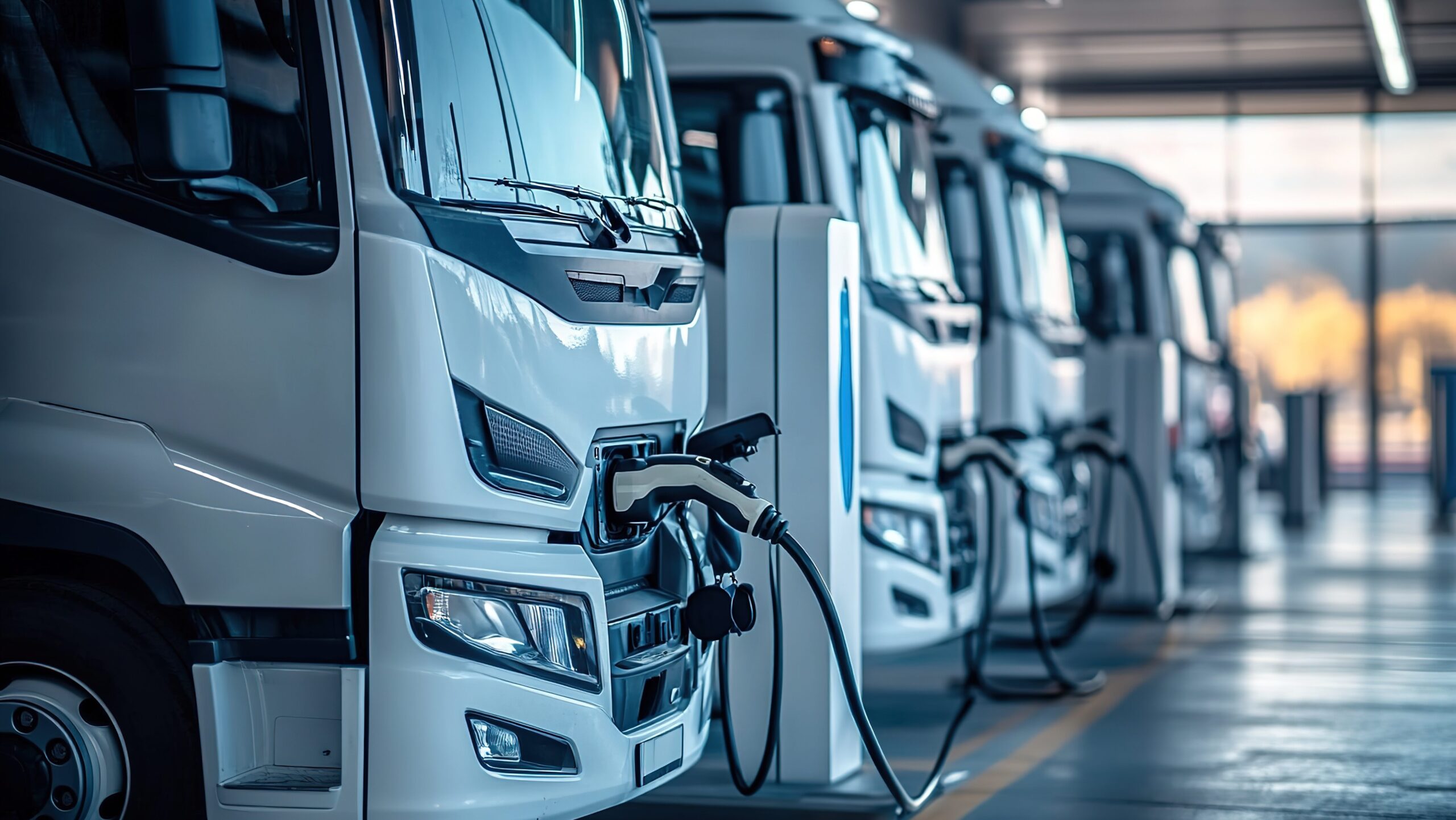
How can electric commercial vehicle fleets be operated economically, what should the charging infrastructure look like, and what role do power grids and energy management play? These questions will be addressed by the e-mobile transport forum on September 24, 2026, at the Technopark Zurich. The now published program places a clear emphasis on the electrification of freight and commercial vehicle transport.
The electrification of road freight transport is progressing. With the growing number of battery-electric trucks, the discussion is increasingly shifting from individual vehicles to the overall system. Fleet operators must coordinate charging capacity, grid connections, depot infrastructure, energy supply, and operational processes.
This development is addressed by the e-mobile transport forum organized by Electrosuisse under the title „Under Power: How Buses, Trucks, and Depots Become Electric.“ The event brings together experts from industry, transport and logistics, energy supply, research, and the public sector. This year, a particular focus is on the electrification of road freight transport.
Experiences from Transport Practice
Roland Stuber from F. Stuber Transporte AG and Martin Lörtscher, CEO and co-owner of Hugelshofer Logistik AG, will share insights as two practitioners from the transport sector.
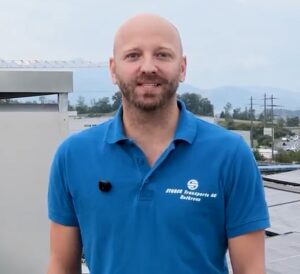
Roland Stuber
Stuber will explore how particularly SMEs can economically electrify their commercial vehicle fleets. The focus is not only on the vehicles. Based on his own experiences, he will illustrate which vehicles are suitable for entry, where electric operation is already cost-effective, and which missteps can be costly. A central role is played by the LSVA as well as charging infrastructure, power connection, and operational processes.
Hugelshofer, on the other hand, has already electrified more than 50 percent of its fleet. Lörtscher will demonstrate how electric trucks, charging infrastructure, self-generated electricity, and energy management interact, using the example of the Frauenfeld transport and logistics company, and what economic and political frameworks influence further conversion.
Charging at the Depot and On the Go
A central question remains the energy supply. Daniel Meier from EVTEC will show how charging infrastructure for truck fleets can be integrated into existing depots even with limited space, based on realized projects. Fabian Kallen from BKW Energie views the charging infrastructure as a complete system, where high charging capacities, grid connections, and future fleet growth must be coordinated.
Christoph Schreyer from the Federal Office of Energy will focus on charging while on the go. The public and semi-public charging infrastructure for heavy electric trucks is still underdeveloped in Switzerland. His presentation will provide an overview of ongoing federal activities and projects within the framework of the Roadmap for Electromobility 2030.
Long-term profitability will also be discussed. Brian Cox from INFRAS will present scenarios for electromobility up to 2060 and examine, among other things, how a future LSVA obligation for electric trucks, CO2 fleet targets, and total operating costs could affect their proliferation.
Logistics Space Instead of Charging Space?
The electrification of heavy transport and public transport fleets is often hindered by limited space. Classic HPC charging stations take up valuable parking and maneuvering space and cannot always be easily integrated into existing depot structures. For truck fleets and bus companies, this can complicate the transition to electric drives. Based on realized projects, the contribution will show how spatial separation of power electronics and charging points can allow HPC charging solutions to be integrated space-efficiently into existing depots without compromising charging capacity. This interesting topic will be addressed by Daniel Meier from EVTEC AG.